The Briefing
Career communication, personal branding, AI ethics, marketing strategy, and almost 25 years of Seoul. Written for professionals who treat communication as a craft, not a task.
Six Sections, Six Different Jobs
Everything published here lives in one of six sections. Pick the one that matches what you are working on right now.
Every Issue Of The Briefing
-

What to Do in the First Ten Minutes After a Bad Review Goes Public
In the reputation management week of my Personal Branding course, I tell students the same thing every year: the first ten minutes after a…
-

The Three-Sentence Bio: A Storytelling Framework Borrowed From Freytag
The professional bio is one of the most-written and least-taught pieces of writing most people ever produce. Everyone needs one… for a conference program,…
-
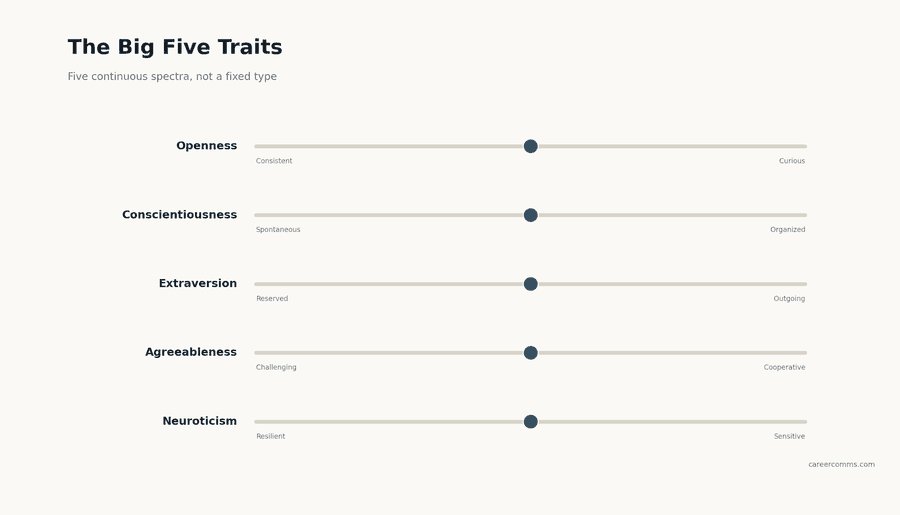
MBTI Tells You a Type. The Big Five Tells You the Truth.
In the first week of my Personal Branding course, we run both an MBTI-style assessment and a Big Five inventory, back to back, specifically…
-

Presentation Anxiety Is Not a Personality Flaw. It Is a Preparation Gap.
Almost every semester, a student tells me some version of “I am just not a public speaking person,” as though it were a fixed…
-

The 7-Part Blueprint: How to Build a Presentation That Does Not Put People to Sleep
In the presentation workshop week of my Technology and AI course, I teach students a seven-part blueprint before they ever open a slide deck,…
-

Does Your Brand Voice Actually Travel? A Global Market Audit
I do a version of the quarterly communication audit with almost every client, but there is a specific version of that question that comes…
-

How to Look Present and Confident in a Korean Video Call
A question that comes up constantly now that so many meetings happen over video: do the same hierarchy rules that shape an in-person Korean…
-

The Escalation Ladder: How One Small Compromise at Work Becomes a Scandal
In my Technology and AI course, we use a framework called the escalation ladder to analyze how technologies and organizations drift from a defensible…
-

Authenticity vs Image Is a False Choice. Here Is the Real Question.
In the introspective weeks of my Personal Branding course, we spend real time on a tension students always name the same way: should I…
-

Your Digital Shadow Is Longer Than Your Resume
In my Technology and AI: Utopia or Dystopia course at Hanyang, we spend a full week on what I call the digital shadow: the…
-

How to Communicate Your Value to Employers in Korea (Not Just List It)
A resume lists what you have done. An interview answer lists what you have done, slightly rephrased. Neither of those is the same as…
-

A Career Values Test Is Not the Same as a Career Plan
In the introspective weeks of my Personal Branding course at Hanyang, students take a values inventory early on, and almost every semester the same…
-

Choosing a Brand Archetype for a Startup in Korea
Founders come to me constantly with a brand that has no consistent personality… playful on Instagram, formal in investor decks, aggressive in ads. Not…
-

What Executive Presence Actually Looks Like in a Korean Company
A question I hear constantly from professionals, Korean and foreign, moving into more senior roles here: what does executive presence actually look like in…
-

Communication Coach or Online Course? How to Actually Decide
I get asked this question often enough, by people weighing whether to invest in coaching versus just buying a course, that it deserves an…
-

What to Look for in a Business Communication Coach in Korea
People considering a communication coach usually ask me the wrong first question. They ask about credentials or price, when the thing that actually predicts…
-

The SOSTAC Framework: A Marketing Plan Template That Actually Gets Used
Most marketing plan templates get built once, presented once, and then abandoned the moment the actual work starts. I have watched this happen with…
-

What to Actually Write in a LinkedIn Summary as a Korean Professional
Almost every LinkedIn summary I review during coaching sessions starts the same way: a restated job title, followed by a list of responsibilities that…
The Briefing goes out twice a month. Practical thinking on communication, branding, and career strategy. No filler.